Currency

-
September 13, 2020In a Bureau of Labor and Statistics (BLS) study, 72% of workers injured in scaffold accidents attributed the accident either to the planking or support giving way, or to the employee slipping or being struck by a falling object. Scaffolds are integral to the construction industry with approximately 65% of the workforce involved in work from scaffolds. When used properly, scaffolds can save significant time and money. Though they are convenient and necessary, there are four major hazards associated with worker injuries that everyone needs to be aware for proper scaffold safety.
4 Major Hazards: Scaffold Safety
1. Falls
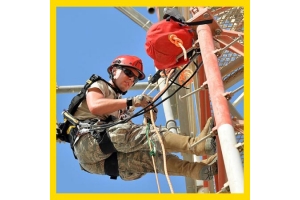
Falls are attributed to the lack of guardrails, improper installation of guardrails and failure to use personal fall arrest systems when required. The OSHA standard requires fall protection must be used when work heights reach 10’ or more. OSHA’s standards represent the minimum level of protection; many -
September 13, 2020On August 18, the National Safety Council (NSC) predicted that coronavirus disease 2019 (COVID-19) may become the third leading cause of death in the United States for 2020, behind only heart disease and cancer. In 2018, the most recent year of final fatality data, the third leading cause of death was preventable deaths from drug overdoses, motor vehicle crashes, and falls.
The number of deaths from COVID-19 this year already has surpassed the number of preventable deaths in calendar year 2018. COVID-19 is a respiratory illness caused by the SARS-CoV-2 virus. COVID-19 currently is widespread in most U.S. communities and considered a workplace hazard.
The number of deaths in the U.S. from confirmed and probable cases of COVID-19 now exceeds 170,000. There were 167,127 deaths from preventable causes in 2018.
An indirect consequence of the COVID-19 pandemic may be increases in opioid overdoses and the rate of motor vehicle fatality, according to the NSC. The -
September 06, 2020The CDC and other government organizations have long since recommended employers and employees frequently wash their hands, and if a hand washing station is not readily available, use hand sanitizer to minimize the risk of spreading or contracting the coronavirus. Now, the FDA is warning people that the hand sanitizer they might be using could be detrimental to their health.
Back in July, the FDA released a press release on dangerous alcohol-based hand sanitizers containing methanol. Since then the agency has been hard at work providing a testing method to assess the quality of hand sanitizer products for impurities and putting together a table including all the manufacturers who have produced hand sanitizers not fit for killing germs and might even contain ingredients that are harmful to those who use it.
The FDA regulates hand sanitizer as an over-the-counter drug, available -
September 06, 2020Reopening and maintenance of plant and facilities operations can be safely achieved with proper resiliency planning aligned to business requirements and drivers, and a high degree of management and health and safety measures. This creates an environment to operate where employees, customers and visitors feel safe, comfortable and confident returning to work.
The establishment of temporary (or long-term) screening measures and diversions to meet social distancing requirements, that are monitored and managed digitally and aligned to business requirements, coupled with robust communication and education campaigns, are a cornerstone of creating and reinforcing trust with all stakeholders as part of the overall response to COVID-19.
1. Facility audits and production priorities. Determine sites and facilities to be re-opened and desired business and production levels -
September 06, 2020Social distancing must be maintained amid the COVID-19 pandemic, even when conducting a fire drill, according to the Calgary Fire Department in Alberta.
“During the pandemic, it would be acceptable for fire drills to be conducted with supervisory personnel present, taking into consideration social distancing to complete any fire warden training which may include an evacuation table top exercise,” said the department in a memo released addressing their expectations amid the pandemic.
However, “if the company or organization cannot ensure social distancing an additional option would be to complete online training as developed by the company or organization and to ensure that records are kept regarding details of training and personnel involved,” the memo continued.
Also, any fire drills or warden training that fall under any other portion of the National Fire -
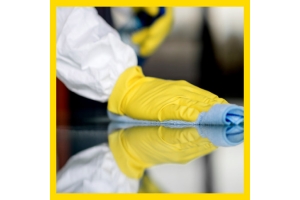
September 06, 2020A best practice to prevent the spread of COVID-19 and other viral respiratory infections is routinely cleaning and disinfecting/sanitizing surfaces, the Centers for Disease Control and Prevention says.
That’s because recent studies have found that SARS-CoV-2 – the coronavirus that causes COVID-19 – can remain viable for hours to days on surfaces made from a variety of materials. To effectively remove and eliminate the virus, however, workers need to understand that the terms “cleaning” and “disinfecting/sanitizing” aren’t interchangeable, NIOSH Director John Howard pointed out during a March 31 webinar hosted by the National Safety Council in conjunction with the agency.
“Cleaning is getting the dirt out,” Howard said. “Sanitizing is what’s used in public health a lot to get down to a certain level of bacteria – sometimes 95% is killed. Disinfection is killing everything. That’s where you want to aim.”
Recent Posts


Popular Posts