Currency

-
April 27, 2019High noise levels endanger hearing, protection must be effective
-
April 27, 2019
Washington — A new guide from the Center for Progressive Reform is intended to help workers and their representatives find resources on chemical hazards and then use that information to “achieve a nontoxic workplace.”
In Chemical Detox for the Workplace: A Guide to Securing a Nontoxic Work Environment, the advocacy group recommends moving faster than OSHA and the Environmental Protection Agency to secure a safer and healthier work environment where potential exposure to toxic chemicals exists.
“Agencies like OSHA and EPA encounter serious obstacles when developing workplace protections against toxic substances, even when they have overwhelming scientific evidence of significant health risks,” Thomas McGarity, guide co-author and CPR board member, said in an April 17 press release. “The difficulty results not from a lack of data, but from intense lobbying from well-funded industries.”
The guide is divided into three main sections. The first provides tactics -
April 27, 2019A hard hat is designed to protect from impacts that could damage the brain, so take its upkeep seriously.
-
April 27, 2019
OSHA has recently updated the Guidelines for Safety and Health Programs it first released 30 years ago, to reflect changes in the economy, workplaces, and evolving safety and health issues. The new Recommended Practices have been well received by a wide variety of stakeholders and are designed to be used in a wide variety of small and medium-sized business settings. The Recommended Practices present a step-by-step approach to implementing a safety and health program, built around seven core elements that make up a successful program.
The main goal of safety and health programs is to prevent workplace injuries, illnesses, and deaths, as well as the suffering and financial hardship these events can cause for workers, their families, and employers. The recommended practices use a proactive approach to managing workplace safety and health. Traditional approaches are often reactive –that is, problems are addressed only after a worker is injured or becomes sick, a new standard or regulation -
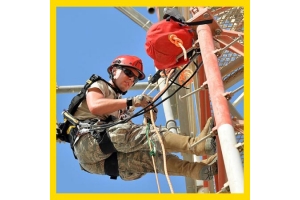
April 20, 2019The 6th annual National Safety Stand-Down to prevent falls takes place the week of May 6-10, 2019.
-
April 20, 2019Keep these hot tips in mind to improve welding safety – and stay out of hot water
-
April 20, 2019Take a behind-the-scenes look at how and where MSA manufactures a variety of safety products.
-
April 20, 2019Smoke alarms, carbon dioxide detectors, and hazardous gas sensors need to be tested and sometimes calibrated regularly to ensure they will function properly when needed.
-
April 13, 2019The law requires that employers must ensure equipment fits all employees intended to wear it.
A high-profile snafu in space has brought new focus on personal protective equipment (PPE) and the obligation of employers to make sure that it fits all the members of an increasingly diverse workforce who are expected to wear it.
This was brought home most vividly in late March when NASA was forced to cancel the first-ever space walk by two women at the International Space Station because only one of the appropriate space suits on board would properly fit a woman.
Astronauts Anne McClain and Christina Koch had been slated to make the historic walk together in space, but Koch had to pair off with male astronaut Nick Hague and the chance for the two women to make history was lost. Hague and McClain also had completed a spacewalk earlier in March, but that was not enough to blunt some of the public accusations that McLain had been cut from the later spacewalk because -
April 13, 2019Spring and better weather have arrived and we will be spending a lot more time outside doing activities and sports. Adults and children have been cooped up indoors for several months and can't wait to enjoy the better outdoor days to come.
Don't be too hasty to run outside without keeping safety and eye protection a priority. Many injuries are just caused by carelessness. Even riding a bike can cause an eye injury. How many times have you ridden a bike on a windy day and felt something fly into your eye? Eye injuries and infections happen quickly. Sports such as racquetball, tennis, baseball, hockey and golf, as well as water sports, are all potential risks for eye injuries. Recreational specs or even glasses can protect the eye from flying balls or penetrating injuries that can cause a lifetime of trouble and damage to the eye.
If you feel something enter the eye, quickly rinse it out with preferably clean, bottled water. Sink water may be wet but can carry bacteria
Recent Posts




Popular Posts