Currency

-
August 16, 2018The agency wants to clarify certain provisions of the standard.
-
August 16, 2018OSHA references voluntary requirements for placement & performance
-
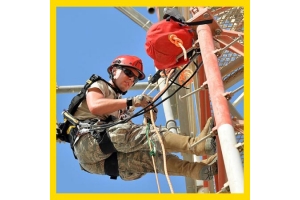
August 12, 2018Commercial fishing vessels in the cold, remote waters of Alaska are required to carry equipment to survive vessel sinkings. NIOSH examined the importance of this lifesaving equipment and the need for marine safety training in a recent study published in the journal Safety Science.
Investigators looked at the events surrounding the sinking of 187 fishing vessels off the Alaskan coast during 2000 to 2014. They obtained the information from the NIOSH Commercial Fishing Incident Database, which is a surveillance system of work-related deaths and vessel disasters in the U.S. fishing industry. Among the 617 crewmembers onboard these sinking vessels, 557 survived and 60 died.
The investigators found several characteristics associated with surviving a fishing vessel sinking. When crewmembers spent any length of time in the water before rescue, characteristics that predicted survival were -
August 11, 2018KEEPING HANDS DRY WILL LEAD TO BETTER COMFORT, PRODUCTIVITY AND COMPLIANCE
Providing a glove solution that keeps hands dry will deliver superior worker comfort, leading to greater productivity, and improve workplace safety compliance.
Skin conditions arising from wet hands can be the result of direct contact with water, chemicals and other liquids. Or through increased perspiration rates caused by high ambient temperatures and hand protection solutions constructed from non-breathable materials. A range of occupations and industries are susceptible to skin conditions, particularly when individuals are required to undertake wet work, involving ongoing contact with liquids or frequent hand washing. Protective gloves are the obvious defence against regular liquid contact, with hand protection designed specifically to create a suitable barrier between skin and any unwanted -
-
-
August 05, 2018Companies are turning workplace safety into a personal matter. Bringing innovative materials science to PPE is a priority for end users and brands alike.
There is increasing recognition of emotional factors in the prevention of workplace injuries. Manufacturers and construction and oil companies are campaigning with their teams to bring personal commitment back into safety targets by engaging them to individually watch out for themselves and others, set an example inside and outside production facilities, and call out unsafe behavior, and they are fundamentally incorporating safety as part of company culture.
To this aim, the PPE companies make available to their workers can be a tangible demonstration of a company's commitment to worker safety.
The Implications for PPE Brands
The demand on PPE brands is shifting as a result. For PPE brands, promoting safety means innovating to encourage adoption above and beyond minimum -
August 04, 2018Those most likely to be exposed, such as police and fire personnel, EMTs, ER staff, and forensic lab personnel, should be transitioning to gloves that provide comprehensive protection against fentanyl.
The ongoing drug epidemic in the United States is getting worse by the day. Drug overdoses claimed the lives of more than 64,000 people in this country in 2016—an increase of 21 percent over 2015. Opioids were responsible for some 42,000 of those deaths and synthetic opioids, such as fentanyl, were responsible for almost half of that number. In fact, synthetic opioids are driving the extreme spike in drug fatalities. The 20,000 deaths traced to synthetic opioids in 2016 were more than double the total in 2015, and overdose deaths from synthetic opioids other than methadone have increased an average of 88 percent each year since 2013. We are losing the war on drugs, and fentanyl and other synthetic opioids are the biggest reasons why.
Fentanyl is estimated to be 50 to -
August 02, 2018Each end-use situation must be evaluated for its particular risks.
-
August 02, 2018The real work of analyzing hand injury trends begins with the physical improvement of the organization's hand safety program after the data has been scrubbed.
Hand injuries account from between 40-60 percent of recordable incidents on most industrial work sites. With the average hand injury claim costing companies nearly $7,500, it makes fiscal sense to investigate ways to bring this number down on avoidable incidents.
Improving hand safety goes beyond shopping for flashy, new PPE and grinding up pages of retroactive statistics. Hand injuries impact companies beyond their profit margin. They take a toll on employee engagement and satisfaction, directly impacting productivity. Indirect costs, such as increased costs in insurance, medical bills, recruitment, training, and administrative time, add up quickly, sometimes adding another 20 percent on to the direct injury costs (Reid, 2015).
Before You Attack Technology
A combination
Recent Posts



Popular Posts